
I’ve been putting sherry, mostly manzanilla, in cocktails for years because it’s acidic and weird. The oloroso is different, slightly nutty, still weird, but I have little to no clue about it, or most other sherries for that matter. I know about flor and how it’s been oxidized and what it’s supposed to taste like, I love The Macallan 12 sherry cask and double cask, but in terms of my own knowledge, that’s about it. Oh, and I, like many others, read The Cask of Amontillado by Poe back in the day.
Ok, so, there’s going to be a long explanation and a short one. I prefer the short because that’s the best way to me. I’m a minimalist at heart. What’s scotch? It’s aged whisky from Scotland made with malted barley. Done. So, sherry? It’s sometimes oxidized always fortified solera method fino type wine from Spain often aged in oak barrels. Ugh. There’s a lot to unpack there. There’s vast differences, oceans of variations between a fino and a Pedro Ximenez.
All sherry comes from a region in Southern Spain called Andalusia. It’s the tip there where it almost meets Africa, the mouth to the Mediterranean. Probably an awesome place to grow up. You’ve got the country of Gibraltar right there, and Morocco as well. Two places I’d like to see someday.
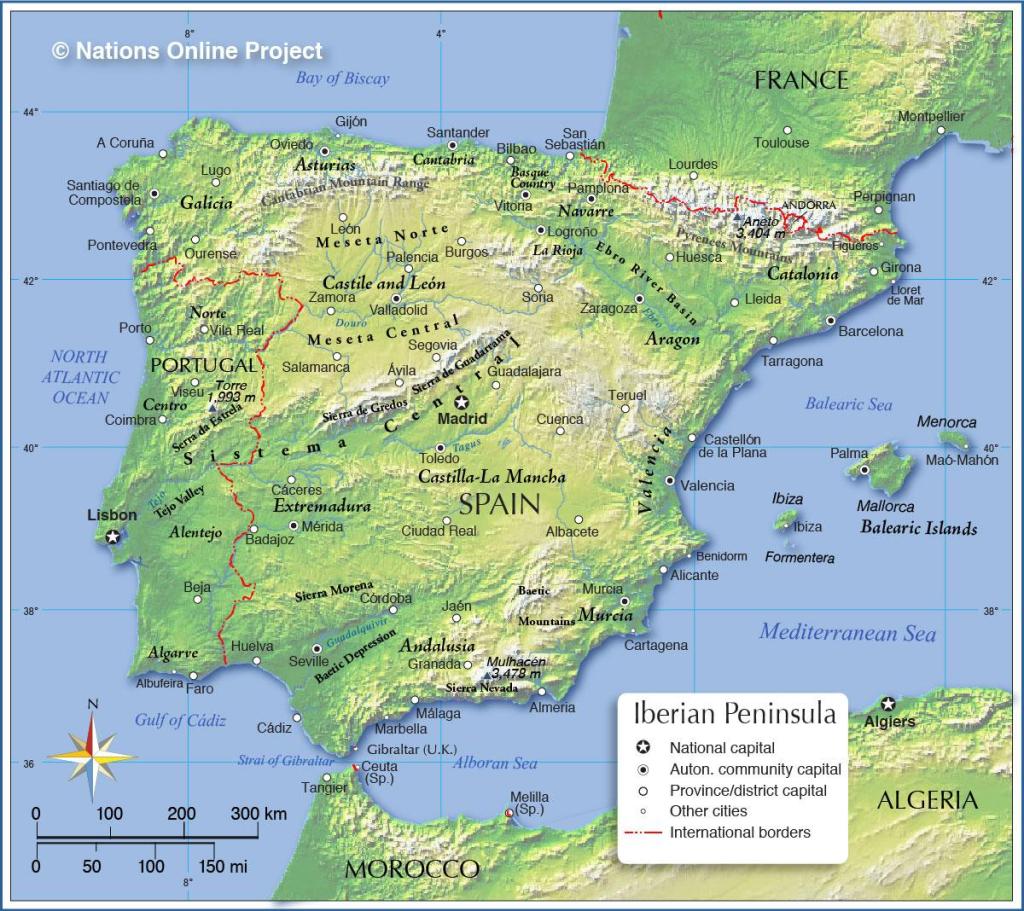

Here we go. If you talk about sherry , first you’ve got to talk about the soil and the wine. I’ll spare you the boring details but it’s chalk and limestone and the basic three white grape amigos, Palomino, Pedro Ximenex, and Moscatel. Stay with me.
There’s ten types of sherry and they each have a distinct way they’re made and then with each producer there will be variations. Anyway…There’s dry–Fino, amontillado, manzanilla, oloroso, and pale cortado. Sweet–cream, medium, and pale cream. Naturally sweet–Pedro Ximenez, and moscatel.
We’ll focus on oloroso here.
With many different types of sherry there is something called flor which is an important part of the process. So what is it? It’s yeast allowed to form on the wine inside the barrels to prevent oxidization. It converts sugar to alcohol and forms a barrier over the wine to protect it. There’s a lot more to it, like anything, but that’s the basic, quick version.
Oloroso is made without flor. Most of the time it’s palomino grapes that go through a second pressing. Yeah, sloppy seconds. It’s fortified after fermentation, meaning they add a spirit to it as a stabilizer. In this case, grape brandy. it’s brought to 17 or 18 percent Then it goes into an American oak casks. Why American? It imparts vanilla and coconut aromatics. In order to be classified as Oloroso, it must be aged for an average of two years. So, it could be blended with 1 year and 3 year sherries I’m guessing…This is called the solera method, where they take older sherries and add a portion to a newer batch thus creating legacies that can stretch back many years but that’s just the tip of the iceberg. It’s much more complicated than that.
Anyway, because it’s a dry sherry with no flor protections, it takes on nutty characteristics from the barrel which is what we’re often looking for when we add it to cocktails. It’s more full bodied than most of it’s cousins and the used oak barrels are popular for aging other spirits like whiskey and whisky.
Oloroso can be aged for long periods of time and it’s common to see 30 year bottles for a damn decent price…That’s the other weird thing about sherry–it’s usually dirt cheap. A bottle of the 30 year goes for anywhere from $50 to $300 whereas a 30 year scotch or Japanese whisky requires you take out a second mortgage on your house.
 The Aging Bartender
Leave a comment