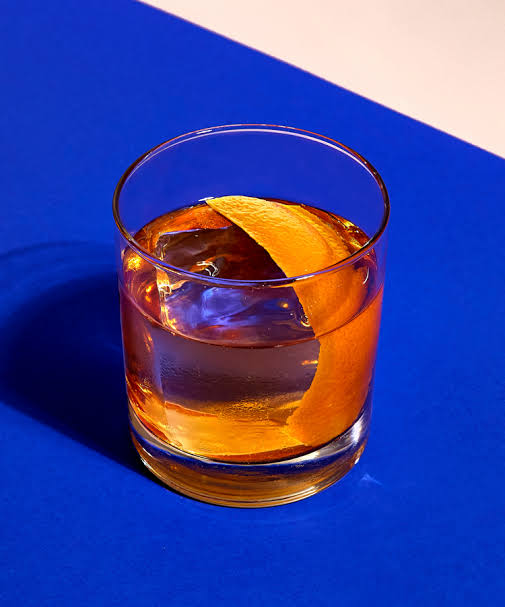
Back in the day, much like the champagne cocktail, when you combined a little sugar, a few dashes of bitters and some delicious brown, it was called a whiskey cocktail. If you were lucky you may have also received an orange or lemon peel in there. At some point in the journey, the same drink took on another name. Take a look at the first printed version of an “Old-fashioned Cocktail” from Theodore Proulx’s 1888 Bartender’s Manual.
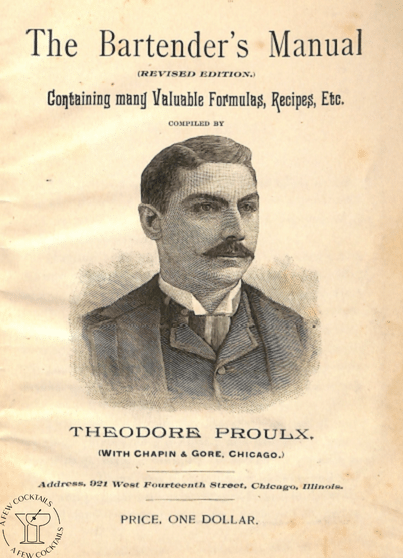
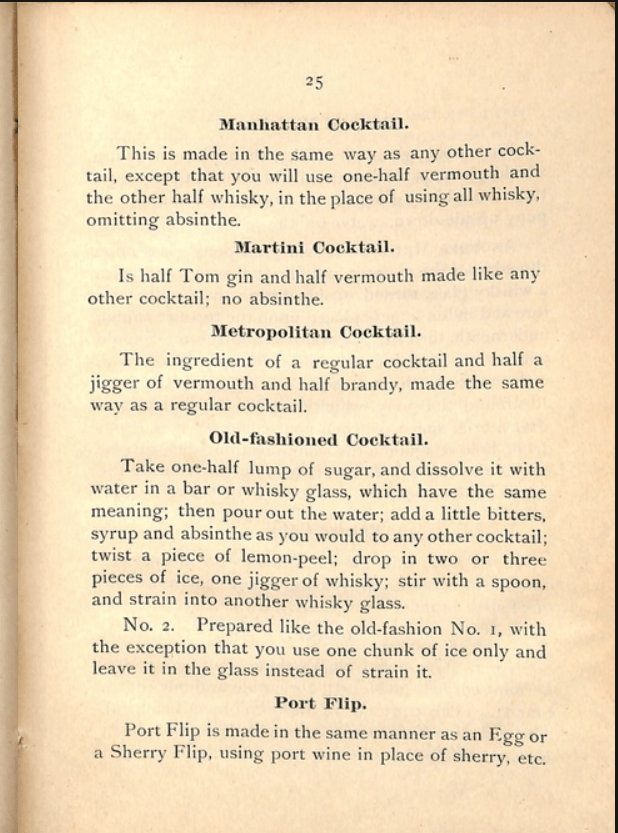
Wait a minute…Absinthe?
Yeah, they put it in everything back then. Absinthe was banned in the U.S. from 1912 to 2007. Hence it being removed from any American old fashioned recipes going forward.
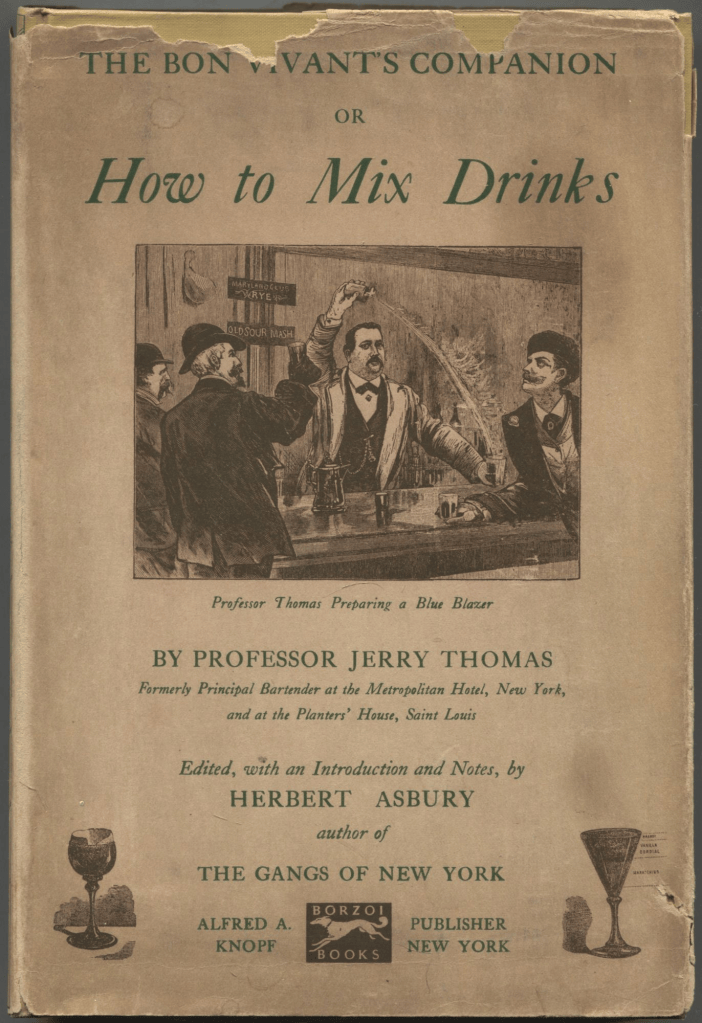
To clear up any confusion, here is “Professor” Jerry Thomas’ whiskey cocktail recipe from the 1862 tome, The Bar-tender’s Guide, and Bon-vivant’s Companion – A complete Cyclopedia of Plain and Fancy Drinks.
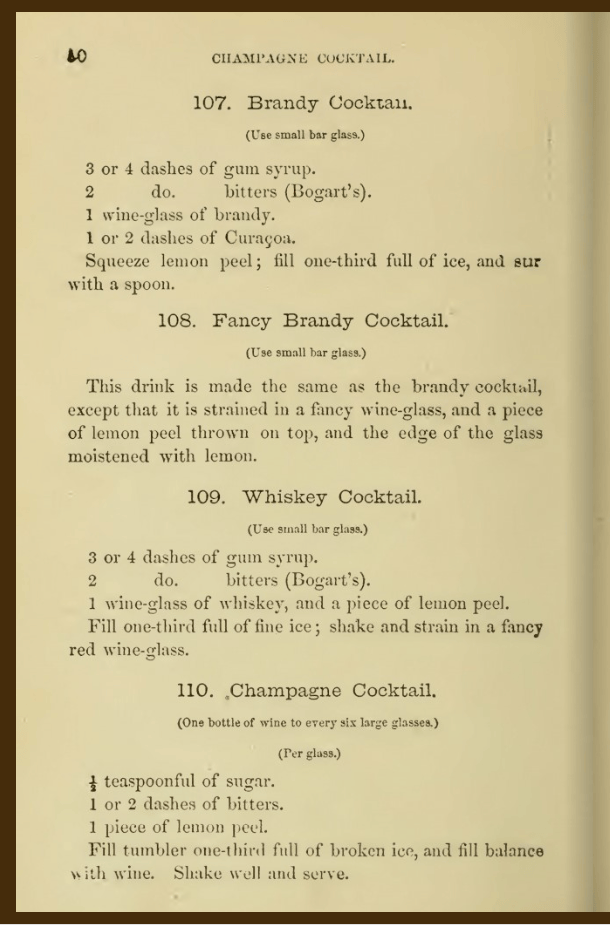
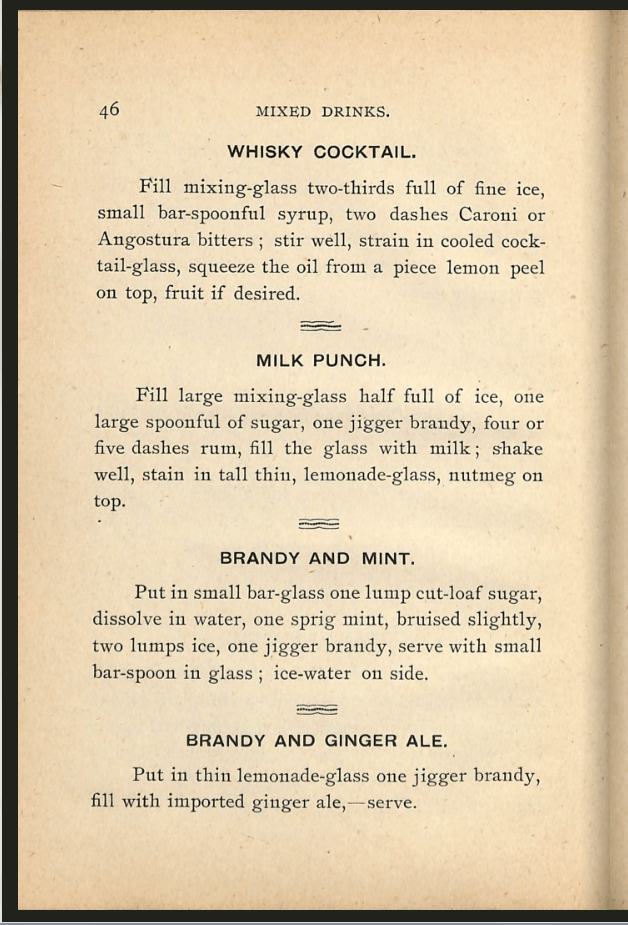
Into the twentieth century, absinthe would become absent and find itself in the old fashioned variation known as the Sazerac which will require another article on another day. But here, take a look at a Whisky Cocktail (note the spelling of whiskey as “whisky” most often reserved for Japanese, Canadian, and Scotch only) recipe from Herbert Green’s Mixed Drinks (1895).
Going forward there is no mention of absinthe in any American cocktail books I can find after 1912. Take a gander here at the Bartender’s Manual from The Bartender’s Association of America (1913).
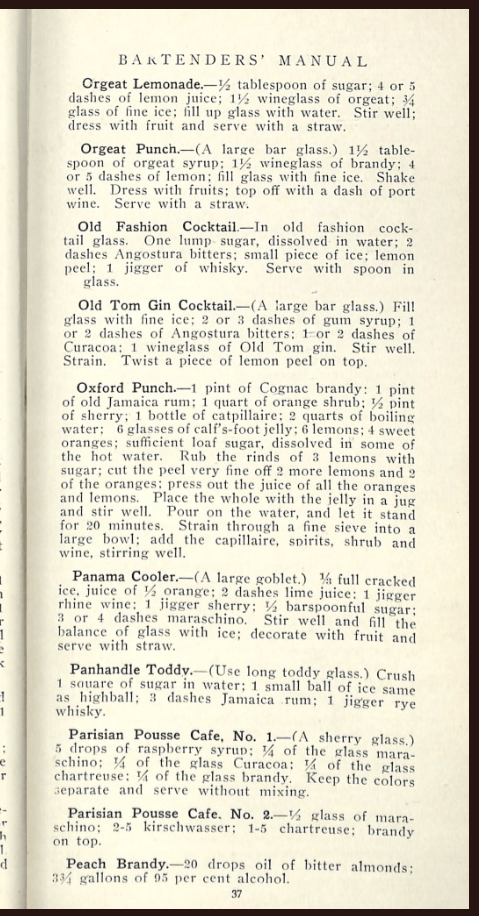
Note the change in name here from “old fashioned” to “old fashion.” Also note that “whiskey” is just whiskey and this old fashioned recipe does not include absinthe or diverge much at all from the previous whiskey cocktail recipes.
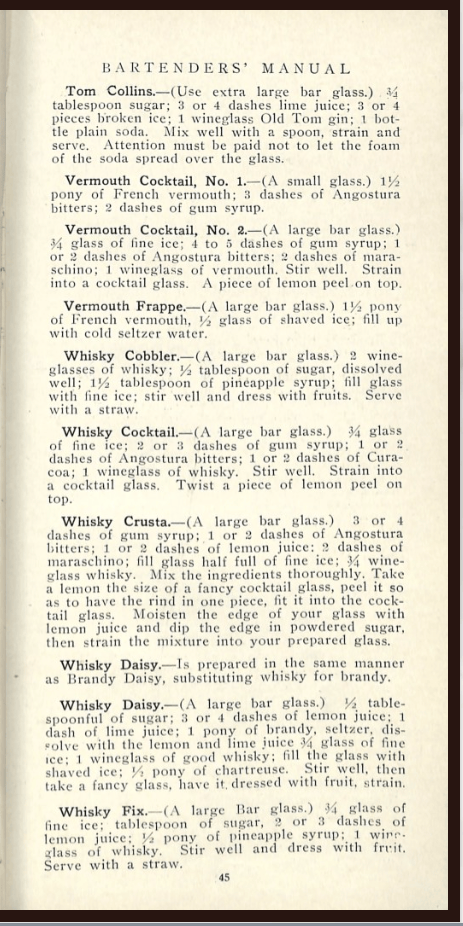
Hmm. Above, however, we see that the Whiskey Cocktail has now been altered and is made with a different measurement (wineglass of whiskey whereas the old fashioned is a jigger of whiskey) and includes gum syrup and a couple dashes of curacoa (curacao).
Side note to this digression: The wineglass and jigger were basically the same thing.
One more example. Tom Bullock’s The Ideal Bartender published in 1917. I included the dedication page here as it showcases the wonderful language used in these old cocktail books.
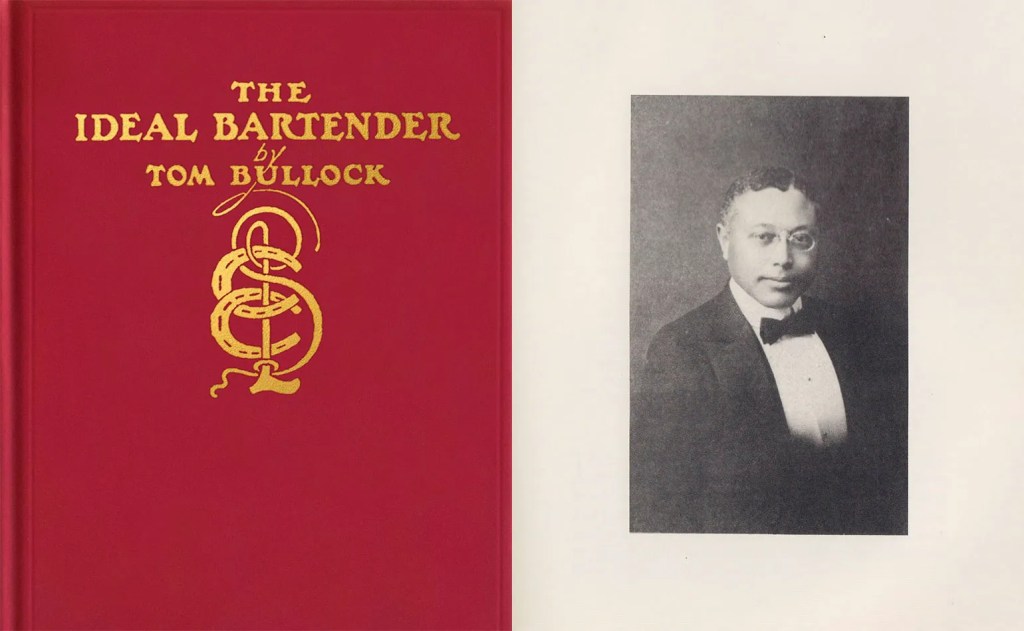
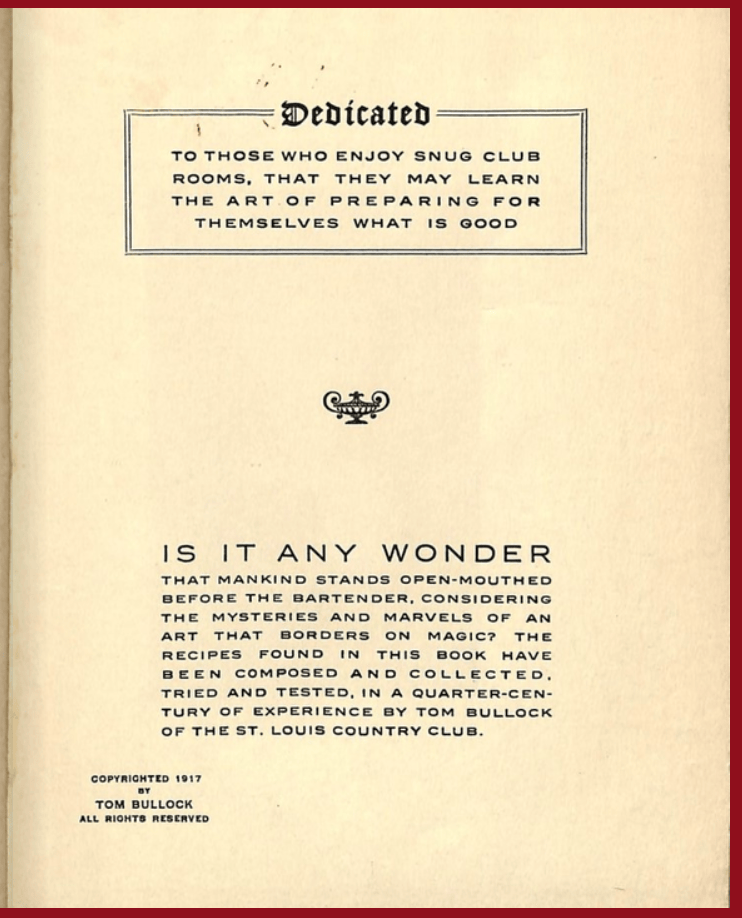
In this one the old fashion spelling is present and whiskey cocktail recipe absent. The old fashioned has increased in volume 50% with 1.5 jiggers of what is now being identified as bourbon whiskey.
I also stand with a bit of mud on my face as I once busted the balls of a certain bartender over the spelling. It now seems both, old fashion and old fashioned, are correct.
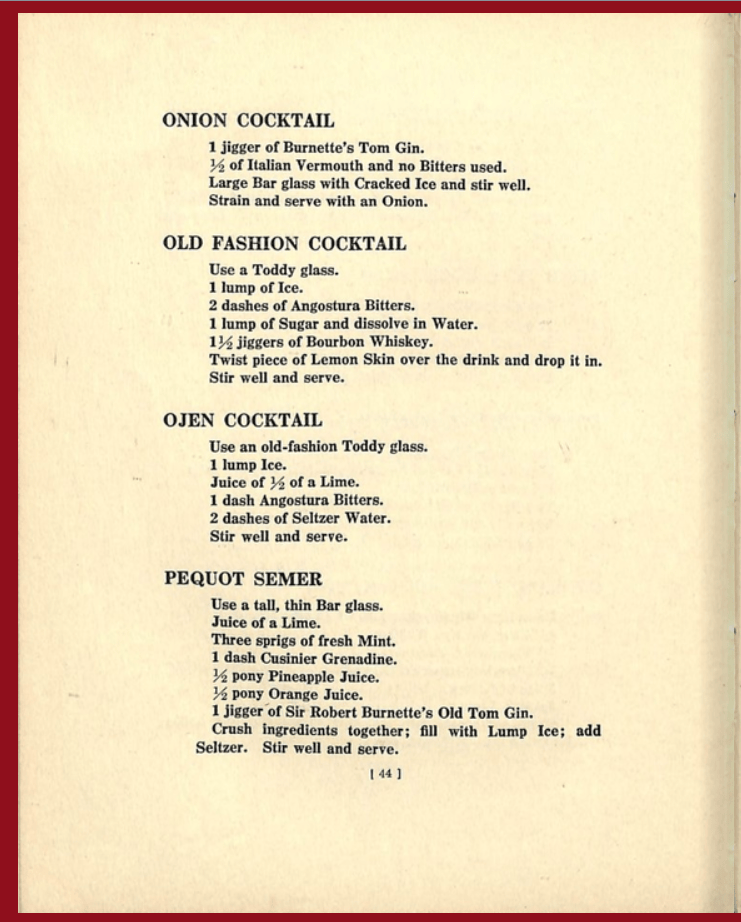
Note that earlier in the book the Dixie Cocktail is a variation of a whiskey cocktail in which you add curacao and creme de menthe. Also note the bizarre recipe hovering above.
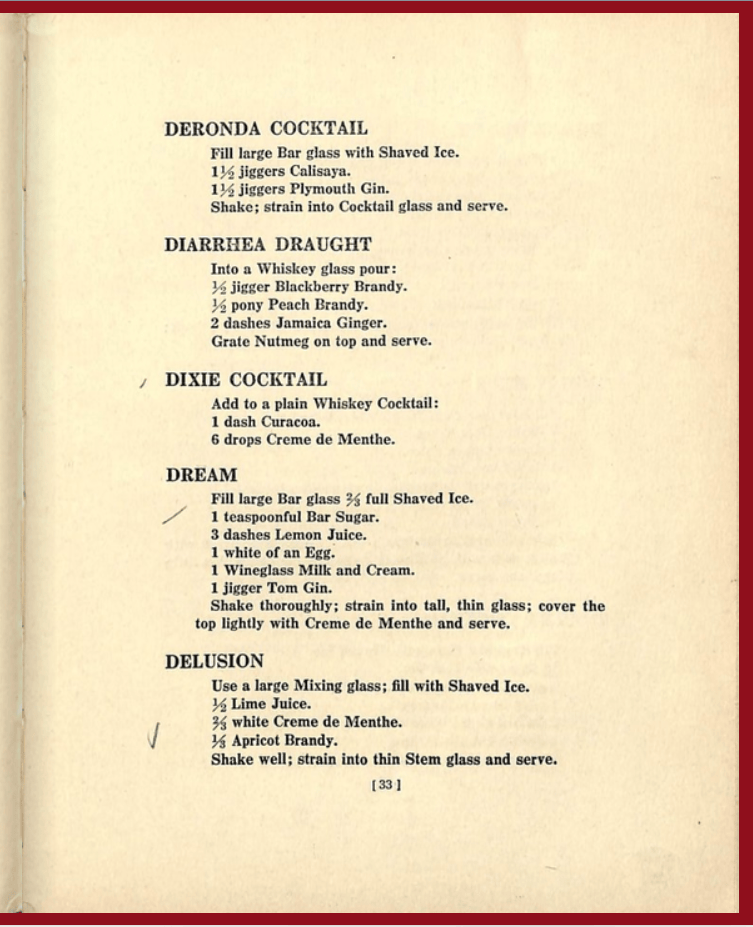
Ok. So it seems the old fashioned for some time involved bitters, sugar, whiskey, and a lemon. The drink stood the test of time because it’s delicious and anyone (I hope) can do it. Simple enough but these days go order and an old fashioned in a restaurant or bar and you’d be hard pressed to receive any of the above versions. Why?
How did a simple and delicious drink veer off course in such a way that in some parts of the country it is served with Sprite? A martini is almost always a martini. Ice, gin, varying levels of vermouth, stir, strain. Calling it a martini and adding Sprite would be a bit odd, no? The daiquiri, the gimlet, these have stayed pretty much the same over the years, so then why do we put up with this chicanery when the Old Fashioned is concerned?
Not only does the Old Fashioned recipe change depending upon what part of the country you are in, it is also different from bar to bar. Now, this can happen with nearly any sort of drink that is not a highball, and even in that example can be somehow incorrect but it is a bit odd that the old fashioned is so prone to differences from spot to spot. For instance, if I go across the street to Citrin and order an Old Fashioned, odds are that it’ll be different from the one we serve. Another couple of blocks toward the ocean at J.P.’s Tavern will, I’m sure, produce another version of the original intended recipe.
My deduction is that this is all due in part to the Old Fashioned being a drink of personal taste. Those who make it at home may prefer it to be less sweet and more bitter and will adjust accordingly. Some do like a muddled orange and cherry in there. Why not? It tastes great. All of this harkens back to a bartender somewhere not wanting any song and dance after a long shift and pouring himself a couple glugs of the brown into a glass, dashing bitters into it, adding a little syrup, topping the glass off with some ice and then stirring it with his finger before having a good slug and thinking to himself “How the fuck did I end up here at the ass end of the world?”
Another part is that since the drink is so damn simple, it can also be adjusted with ease. It takes little imagination to alter it, i.e. add a splash of Fernet Branca (The Toronto), use blended scotch instead of bourbon and Drambuie instead of sugar (Rusty Nail).
The largest part, I’m sad to say, is that bartenders just don’t know what the hell the cocktail is supposed to be and neither do the people ordering it.
Old fashioned variations are plentiful and chances are, if you’ve been in a restaurant, you’ve been privy to one. Maybe something with honey, apple butter or maple syrup, a smoked version or a holiday version, perhaps a different type of bitters even or in extreme circumstances, an alteration like the photo below that would force me to use my napkin to strain the drink in order to enjoy quaffing the damn thing.
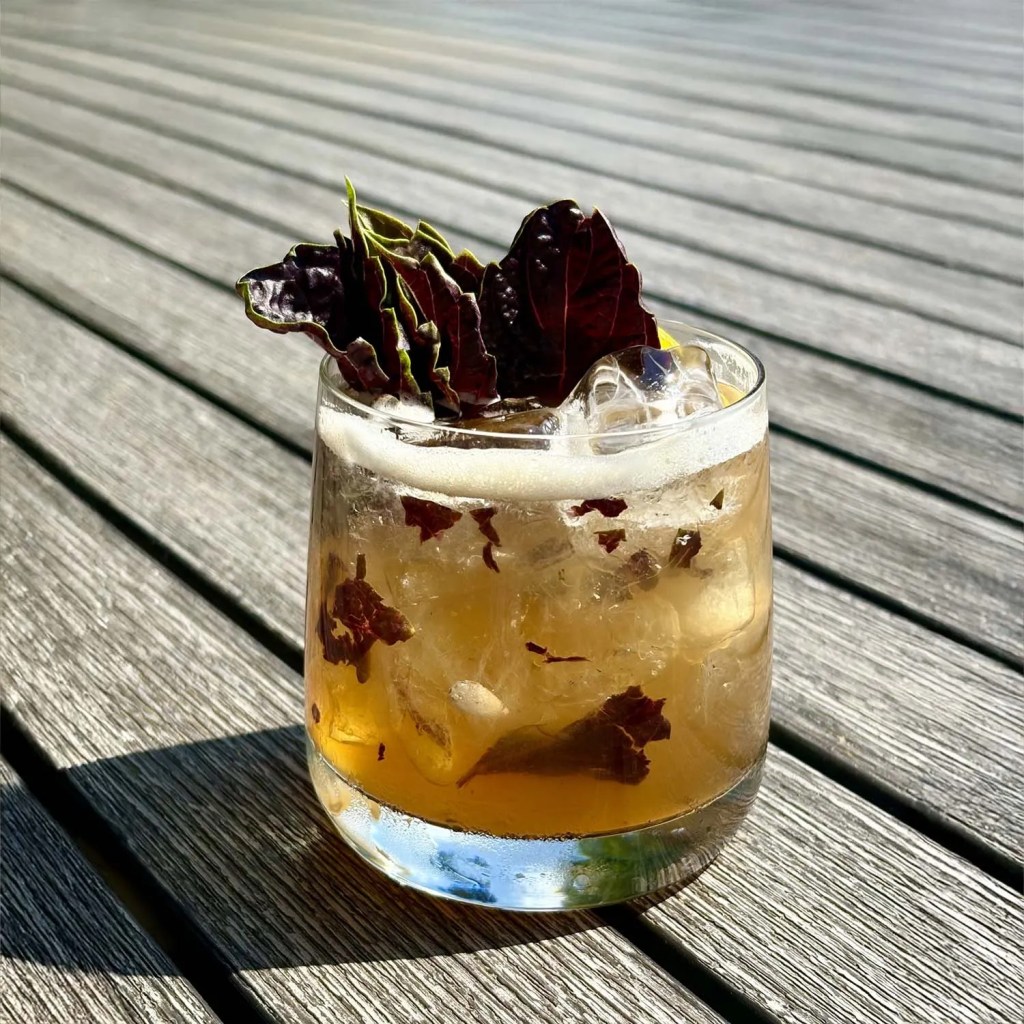
The above, from the Maker’s Mark website is dubbed, a “Cask Smash” and involves a blood curdling amount of sugar (.75 oz to 2 oz. whiskey) a little lemon juice (.25 oz.) and a small handful of muddled opal basil. Maybe it tastes ok once you sift the particles out but they say we drink with our eyes first and this looks like someone dragged the glass through a marina and placed it on the deck to let the sun dry it dry out.
Maker’s Mark, you make great whiskey. Please contact me pronto…
I’ll just leave the next example right here…
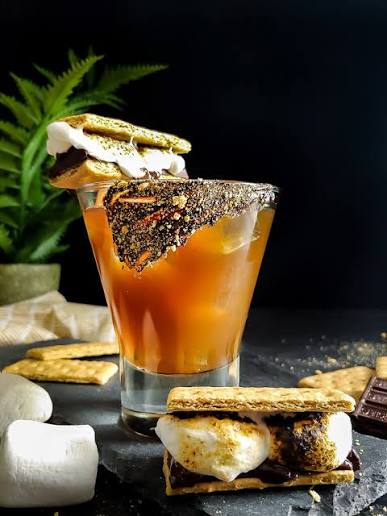
If you have been reading this blog long enough, close your eyes and think of what I would prefer to say about this…
The above drink is part of a post entitled, 7 Old Fashioned Variations for Fall, and comes from the Alcohol Professor’s blog. Professor?
Points for imagination but you gotta stick the landing, dude.
And this is what I mean. There are so many types of old fashioneds out there that it would be folly to try and catalog them all. They’re based upon personal taste and choices either good or bad.
Here’s my prefered style:
2 oz. Of a decent bourbon 100 proof or more. Bonded Grand Dad works fantastic
1 tsp. Rich Demerara Syrup (2 parts sugar, 1 part water)
4 Dashes Angostura Bitters (from the original bottle, 12 dashes from a Japanese style dasher)
Stir with ice, pour over a BFR.
The high proof and BFR is key. The drink should blow your hair back a bit upon the first sip and then mellow out as the rock begins to dilute the cocktail, exposing the nuances of the bourbon and so on and so forth. So my recommendation is 10-15 stirs tops.
Add an expression and/or swipe of a lemon or orange peel or both. Not necessary but the flourish is expected as part of the smoke and mirrors of restaurant work. I do the lemon on the inside of the glass and the orange on the outside in order to confuse the top and bottom lip. The peel should be expressed skin side toward the glass and then rimmed diagonally against the glass, not flush.
That’s it. This harkens back to the original recipe by Mr. Proulx. Proulx?
The old fashioned and Manhattan often get confused. The Manhattan is intended to be served up where the drink’s flavor changes as the already diluted cocktail begins the climb toward room temperature.
If you want to get crazy you can muddle. I know some of you out there are wondering about cherries and oranges and such things. The modifications to the original Old Fashioned came about during Prohibition when shitty whiskey, known as “splo” whiskey procured from various odd places needed more masking in the form of fruit flavor. From this point on, the riffs continued as they do. I do have to say that although the orange slice and cherry are not part of the original formula, they do complement an oaked brown quite well.
Your AI generated image for this post, #449, 11/19/26



Leave a Reply